Edinburgh Chooses to Make the Positive Case for Scotland and the UK

On Saturday, Our Scottish Future held our first in-person event since the start of the pandemic. Entitled ‘Finding Common Cause’, a hall-full of hardy souls braved the Edinburgh weather to huddle inside the Augustine United Church for two hours of debate and discussion on Scotland’s place in the UK – a reminder that getting together in a warm room remains the best form of social media going.
 
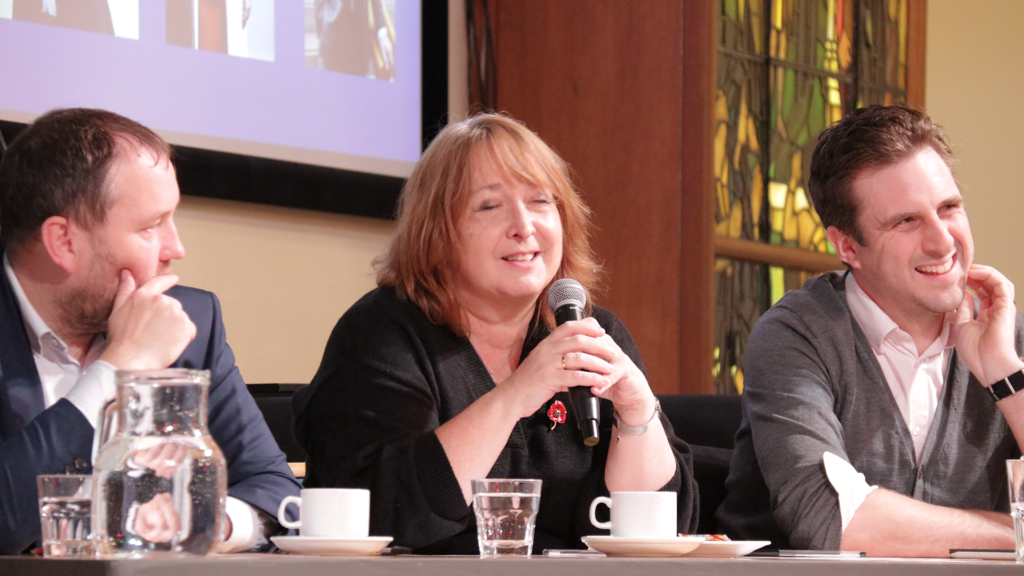
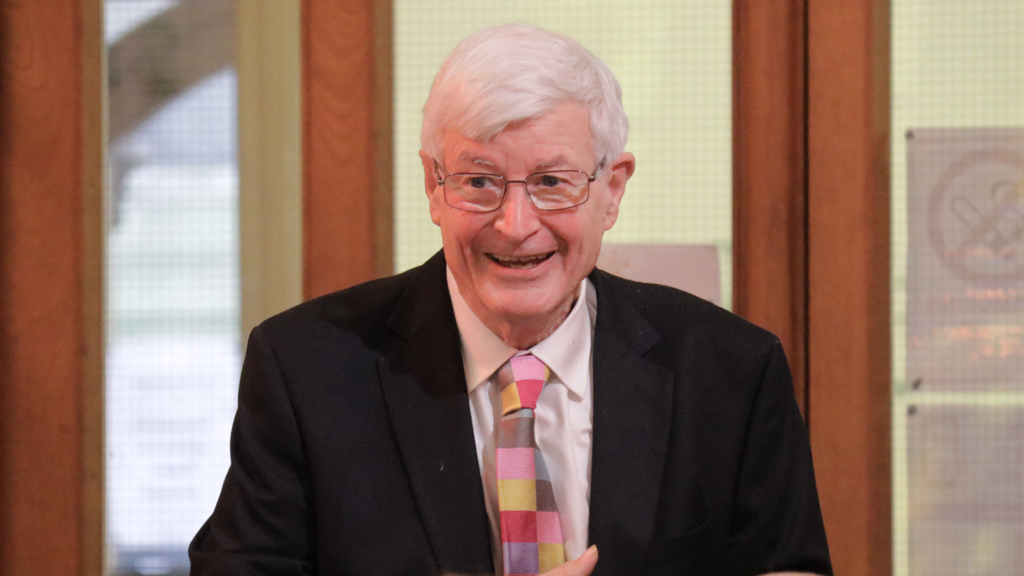
Local politicians Ian Murray, Christine Jardine and Daniel Johnson kicked off proceedings with thoughtful and engaging insights into how Scottish politics has felt like for them over the last decade or so. We were also fortunate to have former Scottish Green party leader Robin Harper, who wound things up for us. In between times, audience members offered up some high-quality reflections on where we go from here. It’s hard to summarise everybody’s viewpoint in a short blog, but some themes emerged from contributions across the floor.
Ian Murray MP, Christine Jardine MP and Daniel Johnson MSP at Our Scottish Future's Finding Common Cause event, November 2021

There is a thirst for a better, more positive argument about Scotland and the UK

Asked about the level of the political debate on independence, Ian Murray declared simply: “I’m bored with it”. However, when asked to talk about the case for the UK and how it can be improved,  he, his fellow politicians and the room as a whole was bursting with ideas and insights. In short, if the event is anything to go by, there is a real thirst out there for a better way to ‘do’ Scottish politics that decisively breaks from the old stale shouting match of the last decade or so. In the words of one of those present, we need to “create the positive vision – to connect with people, all people so that we can help to build this together.”

The case for the UK should also be about how we can deliver change, now

Many people noted how, thanks to devolution, Scotland had the powers to deliver radical change on the things we care about most – a fairer society, a greener future, better health (highlighting this is the purpose of our site over at wecan.scot). So the case for the UK, they felt, should lean heavily on the fact we can get on with making change happen, right now. Others noted the positive signs of the UK itself changing – as more powers and money are shifted out of London and into the regions of England. Scotland, it was felt, could make “common cause” with people across England on issues from economic growth to carbon reductions.

“Facts” aren’t enough

The room debated this at some length: some felt that the economic and political facts of independence and the Union were mostly irrelevant in what is often a debate based on emotions and feelings. Others felt that to ignore these facts would be a mistake. But if there was a consensus it was the view that facts can’t do it all – and that people on the side of Scotland remaining in the UK should recognise that the case for the UK also rests on an emotional attachment – and how it isn’t incompatible with a sense of Scottish patriotism and pride.

“This was a fantastic event that focussed on the positives – looking at what we can do today in Scotland and across the UK to make a more positive case for cooperation. I have booked myself in for St Andrews already!”

– Robin Harper, Former Leader of the Scottish Greens

It is way past time to listen and understand the concerns and anxieties of pro-independence supporters

As one lady put it, we should start with the distrust felt by many pro-independence Scots towards the UK and then go on to find the common ground and common aspirations we all share. Questioning opponents’ motivations should also be banned – it is time to acknowledge in good faith that people hold different views on the constitution for good reasons. Said one: “We need to listen, acknowledge how other people feel – their anger, distrust and start there. We need to find common ground, common aspirations and vision. Non-confrontational, understanding tone.”

Will leaders please stand up?

Finally, there was a general feeling that the pro-UK side needed a “figurehead”. With little enthusiasm for the current UK Government, many people in the room made the point that there needed to be leaders who were prepared to set out a positive, principled case for the UK.

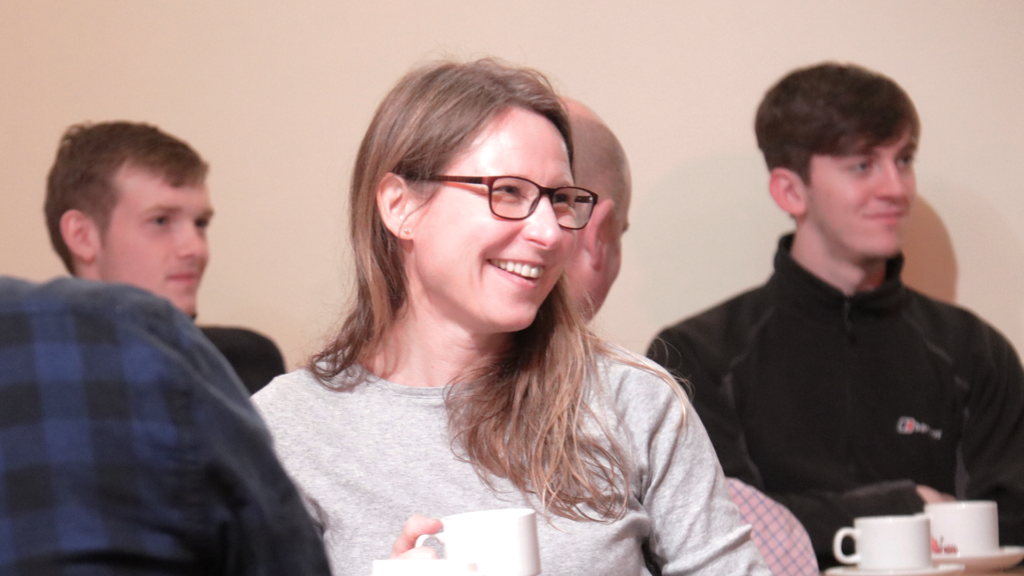
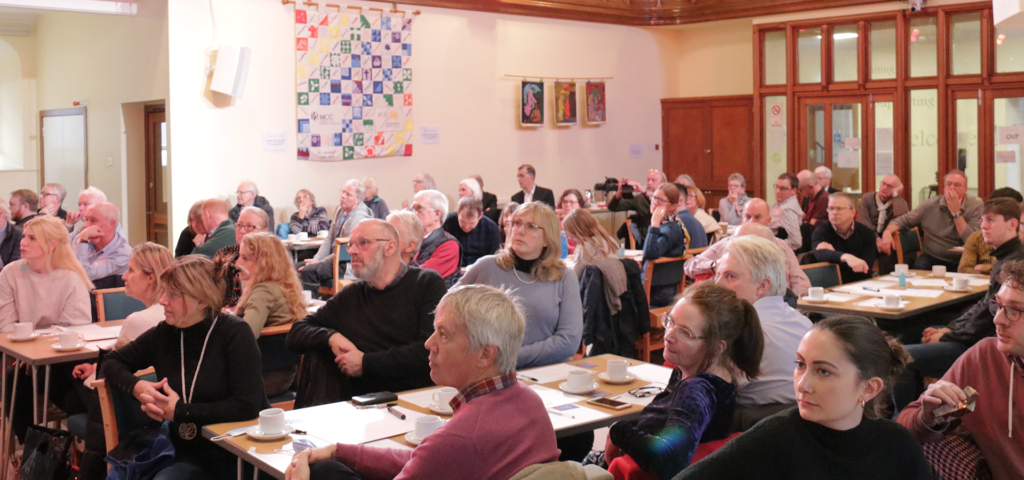
Attendees at Our Scottish Future's Finding Common Cause event in Edinburgh on 6 November 2021
We’re holding more of these discussion events over the winter months – with our next session in St Andrews on December 10th. If the weekend is anything to go by, there is a real appetite for thoughtful, reflective discussion on this subject. 
 
Please join us!

Finding Common Cause: Our Events

In February 2020, we at Our Scottish Future hit upon the great idea of holding a series of public meetings around Scotland to talk about the big questions facing the country’s future, where we would give local people a chance to meet face to face in the same room with one another.  

As Mike Tyson said, everybody has a plan until you get punched in the face – or hit by a global pandemic. 

But eighteen months on, we are delighted to say that we’re now planning to get things up and running again. 

Our inaugural event, entitled “Finding Common Cause” is taking place in Edinburgh on Saturday November 6th. You can get all the details and sign up here

Despite the intervention of the pandemic, our basic view of Scottish politics has not changed since we first came up with our plans. 

We believe that the debate on the union has too often been polarising. 

And while this is the preferred option of some, our polling shows that it ignores the views of “middle Scotland” – those thousands of us who would like to see a positive way forward for Scotland and the UK and aren’t wedded to some pre-determined constitutional formula.

Our events, starting in Edinburgh, are designed to provide a forum for those of us who want to act upon this idea, and themselves lead change, now. 

These meetings aren’t going to be for everybody. We haven’t bought any flags and we are fantastically uninterested in whatever the latest GERS numbers happen to be. Attendees can be assured we have no plans to explain what “sterlingisation” involves, not least because we’re not entirely sure ourselves.  

Instead we’d like to start our own conversation by talking about how to do politics in Scotland better.

Fundamentally, that’s by rejecting the notion that success is a defined by a win-at-all-costs battle to keep the Union together; by the politics of 50.1%.

Rather we want to champion the values of empathy, cooperation and solidarity and campaign for a more inclusive political culture that listens to, and learns from, the perspective that pro-independence supporters voters provide. 

We have some interesting and unusual guests coming along to provide their own perspective on all of this. 

And even if you’ve had no previous engagement with politics, that is no reason not to turn up.  

It’ll be a great opportunity to meet other interested and interesting people and to begin a more fruitful conversation about the way forward for Scotland. 

If you can’t join us in person, we will also be hosting a series of online events – please register your interest here. We look forward to seeing you in Edinburgh on the 6th, or at an event near you soon.